Buy pgx.eu ?
We are moving the project
pgx.eu .
Are you interested in purchasing the domain
pgx.eu ?
domain@kv-gmbh.de · 0541-91531010
Buy pgx.eu ?
Is the Ficus benjamina dead?
Without more information or context, it is difficult to determine if the Ficus benjamina is dead. Signs of a dead Ficus benjamina may include brittle, dry leaves, lack of new growth, and a trunk that is soft or hollow. It is recommended to check the plant for these signs and assess its overall health before concluding if it is dead or not. **
Does the Ficus Ginseng move?
No, the Ficus Ginseng plant does not move. It is a stationary plant that grows in a fixed location. While it may change and grow over time, it does not have the ability to physically move from one place to another. **


Similar search terms for Ficus
Top-Angebote
Products related to Ficus:
-
Eco Convert Ficus Tree - Grandin RoadLifelike, decorative ficus tree. Easily transforms: 3 sizes in 1. From 5 ft. tree to tabletop plant. Lush & leafy with no upkeep. For indoor use only. Enjoy as three different sizes:Connect all sections to display as full, 5 ft. tree. Remove branch...199,00 $*Shipping: 24,95 $Secure redirect to the provider
-
Erbenobili Ficus Carica Phytoblast 50 mlNutrition and Supplements Natural Extracts Erbenobili Ficus Carica Phytoblast 50 ml Food supplement based on glycerinated fig and red vine extract. Gluten Free Benefits The main indications for this yolk extract are neurodystonias and gastric and duodenal-colic neurovegetative disorders. The mechanism of action, probably of diencephalic origin with action on the corticodiencephalic axis, makes it a remedy indicated in all dystonic states, in anxious forms with a neurotic component with psychosomatic manifestations, particularly in the digestive system where it regulates motility and secretion. gastroduodenal Instructions for use: 20 - 30 drops 2 times a day diluted in water preferably between meals Warning : Contraindicated in case of proven hypersensitivity to one of the components. Food supplements are not intended to replace a varied and balanced diet and a healthy lifestyle.7,32 £*Shipping: 3,99 £Secure redirect to the provider



-
What is a Ficus tree?
A Ficus tree is a type of tree belonging to the genus Ficus, which is part of the mulberry family. These trees are known for their large, glossy leaves and their ability to grow in a variety of environments, including tropical and subtropical regions. Ficus trees are often used as ornamental plants in gardens and landscapes, and some species are also grown as houseplants. They are known for their resilience and adaptability, making them a popular choice for both indoor and outdoor settings. **
-
What type of Ficus is this?
This is a Ficus lyrata, commonly known as the fiddle leaf fig. It is characterized by its large, violin-shaped leaves that have a glossy, dark green color. Ficus lyrata is a popular houseplant choice due to its striking appearance and relatively low maintenance requirements. It is native to western Africa and thrives in bright, indirect light. **
-
What type of ficus is this?
This is a Ficus lyrata, commonly known as a fiddle leaf fig. It is characterized by its large, violin-shaped leaves that have a glossy, dark green color. Ficus lyrata is a popular houseplant choice due to its striking appearance and relatively low maintenance requirements. It thrives in bright, indirect light and regular watering. **
-
What problem does my ficus have?
Based on the description provided, it seems like your ficus plant is suffering from a combination of issues. The yellowing leaves could be a sign of overwatering or root rot, while the brown spots and sticky residue may indicate a pest infestation, such as scale insects or spider mites. It is important to address these problems promptly by adjusting your watering routine, inspecting the plant for pests, and treating it with appropriate insecticidal soap or neem oil to help your ficus recover and thrive. **


Does the ficus get brown spots?
Yes, ficus plants can develop brown spots on their leaves for various reasons. This could be due to overwatering, underwatering, low humidity, pests, or diseases. It is important to closely monitor the plant's care routine and environment to identify the cause of the brown spots and take appropriate action to address it. Regularly inspecting the plant for any signs of distress and adjusting its care accordingly can help prevent brown spots from developing. **
How do you plant Ficus together?
To plant Ficus together, first choose a suitable location with well-draining soil and partial to full sunlight. Dig a hole that is twice as wide and just as deep as the root ball of the Ficus plant. Place the Ficus plants in the hole, ensuring that they are spaced at least 3-6 feet apart to allow for their mature size. Backfill the hole with soil, gently patting it down to remove any air pockets, and water the plants thoroughly. Mulch around the base of the plants to help retain moisture and suppress weeds. Regularly water and fertilize the Ficus plants to promote healthy growth. **
Top-Angebote
Products related to Ficus:
-
Apple Complete Guide to Natural Vitamins by Lizzie Streit - Paperback Nutrition Guide - Food & Supplements - Adult Non FictionA practical guide to natural vitamins, written by a registered dietitian, this paperback book helps readers understand which vitamins and minerals the body needs and how to get them through everyday food. It blends nutrition science with realistic strategies, making it an approachable reference for anyone wanting to boost their diet, support their immune system, and build healthy habits at home. The book covers every essential vitamin and mineral, explaining what each nutrient does, how deficiencies develop, and which medical conditions or life stages can increase the risk of falling short. It prioritizes natural food sources, listing where to find each nutrient, rather than focusing solely on supplements.9,99 £*Shipping: 2,99 £Secure redirect to the provider
-
Is the Ficus benjamina dead?
Without more information or context, it is difficult to determine if the Ficus benjamina is dead. Signs of a dead Ficus benjamina may include brittle, dry leaves, lack of new growth, and a trunk that is soft or hollow. It is recommended to check the plant for these signs and assess its overall health before concluding if it is dead or not. **
-
Does the Ficus Ginseng move?
No, the Ficus Ginseng plant does not move. It is a stationary plant that grows in a fixed location. While it may change and grow over time, it does not have the ability to physically move from one place to another. **
-
What is a Ficus tree?
A Ficus tree is a type of tree belonging to the genus Ficus, which is part of the mulberry family. These trees are known for their large, glossy leaves and their ability to grow in a variety of environments, including tropical and subtropical regions. Ficus trees are often used as ornamental plants in gardens and landscapes, and some species are also grown as houseplants. They are known for their resilience and adaptability, making them a popular choice for both indoor and outdoor settings. **
-
What type of Ficus is this?
This is a Ficus lyrata, commonly known as the fiddle leaf fig. It is characterized by its large, violin-shaped leaves that have a glossy, dark green color. Ficus lyrata is a popular houseplant choice due to its striking appearance and relatively low maintenance requirements. It is native to western Africa and thrives in bright, indirect light. **
Similar search terms for Ficus
-
Eco Convert Ficus Tree - Grandin RoadLifelike, decorative ficus tree. Easily transforms: 3 sizes in 1. From 5 ft. tree to tabletop plant. Lush & leafy with no upkeep. For indoor use only. Enjoy as three different sizes:Connect all sections to display as full, 5 ft. tree. Remove branch...199,00 $*Shipping: 24,95 $Secure redirect to the provider
-
Erbenobili Ficus Carica Phytoblast 50 mlNutrition and Supplements Natural Extracts Erbenobili Ficus Carica Phytoblast 50 ml Food supplement based on glycerinated fig and red vine extract. Gluten Free Benefits The main indications for this yolk extract are neurodystonias and gastric and duodenal-colic neurovegetative disorders. The mechanism of action, probably of diencephalic origin with action on the corticodiencephalic axis, makes it a remedy indicated in all dystonic states, in anxious forms with a neurotic component with psychosomatic manifestations, particularly in the digestive system where it regulates motility and secretion. gastroduodenal Instructions for use: 20 - 30 drops 2 times a day diluted in water preferably between meals Warning : Contraindicated in case of proven hypersensitivity to one of the components. Food supplements are not intended to replace a varied and balanced diet and a healthy lifestyle.7,32 £*Shipping: 3,99 £Secure redirect to the provider
-
Cornerstone Press Make Me Well: The Truth About the Wellness Industry, Supplements, and Personalised Health by Xand van TullekenIn a world of endless wellness advice, learn how to make smarter decisions about your health with the empowering new book from doctor and broadcaster Xand Van Tulleken. Drawing on original reporting, expert insight and real-world case studies, he explores: The truth about supplements and vitamins ― what works and what doesn’t The rise of at-home blood testing and personalised health plans How wearable technology (fitness trackers, sleep trackers, smartwatches) shapes our behaviour The promises and pitfalls of consumer genomics and DNA testing Why the line between healthcare and the wellness industry has become blurred There has never been a more confusing time to try to be healthy. From supplements and blood testing to wearable technology and consumer genomics, the modern wellness industry promises better energy, performance and longevity. But how much of it is science, and how much is marketing? In his groundbreaking book, Make Me Well, Xand van Tulleken investigates the new Wild West of the wellness industry, offering a clear, evidence-based guide to navigating today’s most popular health trends. With practical advice and accessible science, Make Me Well will help you cut through misinformation, avoid unnecessary costs, and make informed decisions about your physical and mental wellbeing. If you’ve ever wondered which health trends are worth your time and money, this is your essential guide to modern wellness.12,99 £*Shipping: 2,99 £Secure redirect to the provider
-
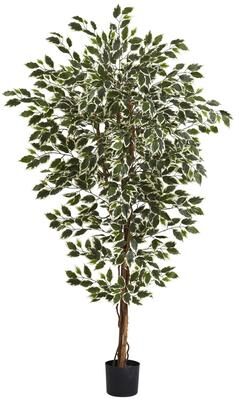
Nearly Natural 4' Variegated Ficus Artificial TreeTwo heads of light green leaves crown a series of lifelike twisted stems with this artificial 4' variegated ficus tree. With an elegant and sophisticated appearance, it's a good piece to add to your bedroom.93,21 $*Shipping: 0,00 $Secure redirect to the provider
-
What type of ficus is this?
This is a Ficus lyrata, commonly known as a fiddle leaf fig. It is characterized by its large, violin-shaped leaves that have a glossy, dark green color. Ficus lyrata is a popular houseplant choice due to its striking appearance and relatively low maintenance requirements. It thrives in bright, indirect light and regular watering. **
-
What problem does my ficus have?
Based on the description provided, it seems like your ficus plant is suffering from a combination of issues. The yellowing leaves could be a sign of overwatering or root rot, while the brown spots and sticky residue may indicate a pest infestation, such as scale insects or spider mites. It is important to address these problems promptly by adjusting your watering routine, inspecting the plant for pests, and treating it with appropriate insecticidal soap or neem oil to help your ficus recover and thrive. **
-
Does the ficus get brown spots?
Yes, ficus plants can develop brown spots on their leaves for various reasons. This could be due to overwatering, underwatering, low humidity, pests, or diseases. It is important to closely monitor the plant's care routine and environment to identify the cause of the brown spots and take appropriate action to address it. Regularly inspecting the plant for any signs of distress and adjusting its care accordingly can help prevent brown spots from developing. **
-
How do you plant Ficus together?
To plant Ficus together, first choose a suitable location with well-draining soil and partial to full sunlight. Dig a hole that is twice as wide and just as deep as the root ball of the Ficus plant. Place the Ficus plants in the hole, ensuring that they are spaced at least 3-6 feet apart to allow for their mature size. Backfill the hole with soil, gently patting it down to remove any air pockets, and water the plants thoroughly. Mulch around the base of the plants to help retain moisture and suppress weeds. Regularly water and fertilize the Ficus plants to promote healthy growth. **
* All prices are inclusive of VAT and, if applicable, plus shipping costs. The offer information is based on the details provided by the respective shop and is updated through automated processes. Real-time updates do not occur, so deviations can occur in individual cases. ** Note: Parts of this content were created by AI.