Buy pgx.eu ?
We are moving the project
pgx.eu .
Are you interested in purchasing the domain
pgx.eu ?
domain@kv-gmbh.de · 0541-91531010
Buy pgx.eu ?
How do children learn to add?
Children learn to add through a combination of hands-on activities, visual aids, and repetition. Initially, they may use physical objects like blocks or counters to understand the concept of combining quantities. As they progress, they start to memorize basic addition facts and learn strategies such as counting on or using number lines. Practice and reinforcement through activities like worksheets, games, and real-life situations help solidify their understanding of addition. **
What do children learn?
Children learn a wide range of skills and knowledge as they grow and develop. They learn how to communicate, problem-solve, and interact with others. They also learn academic subjects such as math, science, and language arts. Additionally, children learn important social and emotional skills like empathy, resilience, and self-regulation. Overall, children are constantly learning and absorbing information from their environment to help them navigate the world around them. **


Similar search terms for Children-s-Learn-to
Top-Angebote
Products related to Children-s-Learn-to:
-
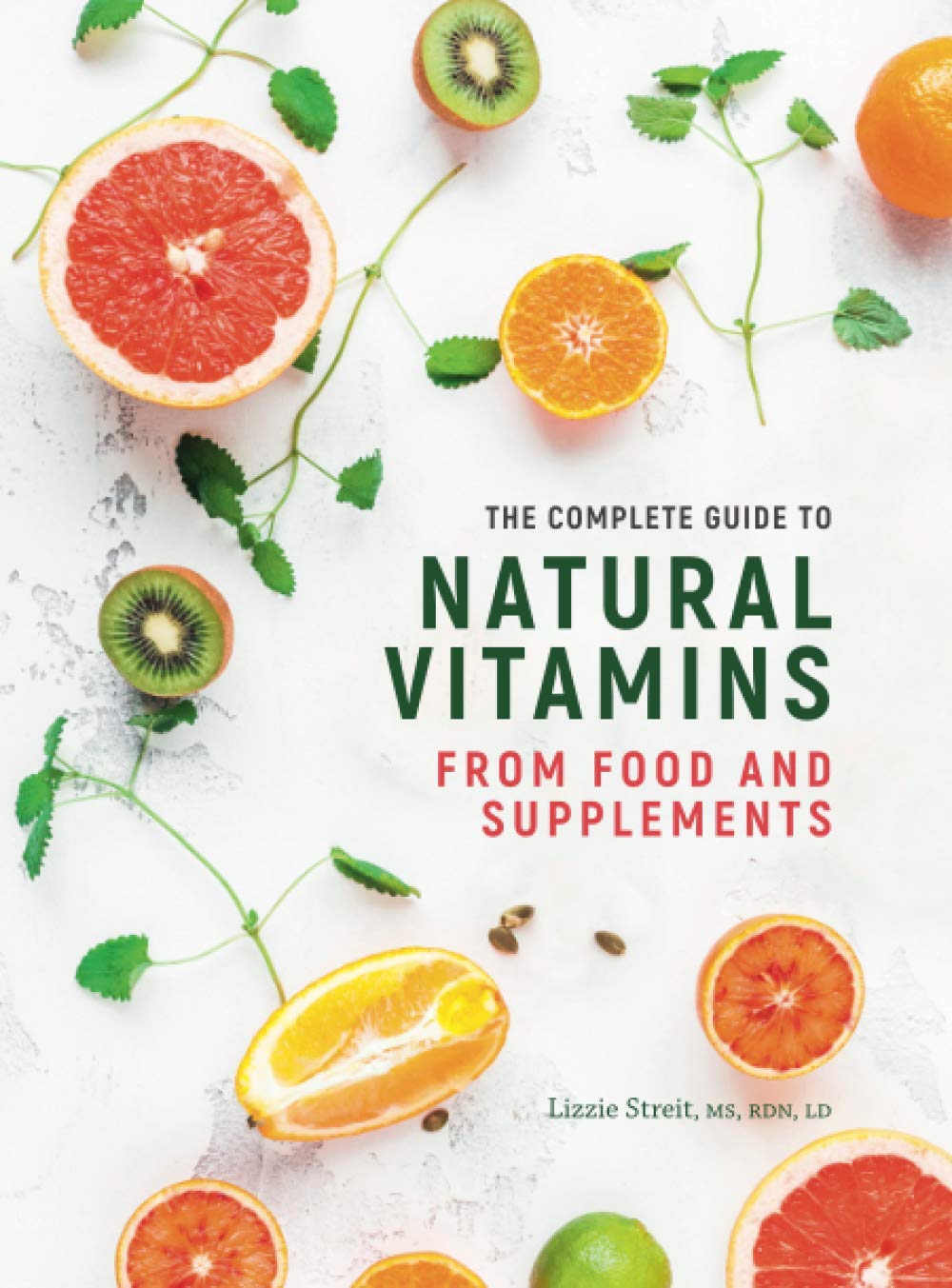
Apple Complete Guide to Natural Vitamins by Lizzie Streit - Paperback Nutrition Guide - Food & Supplements - Adult Non FictionA practical guide to natural vitamins, written by a registered dietitian, this paperback book helps readers understand which vitamins and minerals the body needs and how to get them through everyday food. It blends nutrition science with realistic strategies, making it an approachable reference for anyone wanting to boost their diet, support their immune system, and build healthy habits at home. The book covers every essential vitamin and mineral, explaining what each nutrient does, how deficiencies develop, and which medical conditions or life stages can increase the risk of falling short. It prioritizes natural food sources, listing where to find each nutrient, rather than focusing solely on supplements.9,99 £*Shipping: 2,99 £Secure redirect to the provider
-
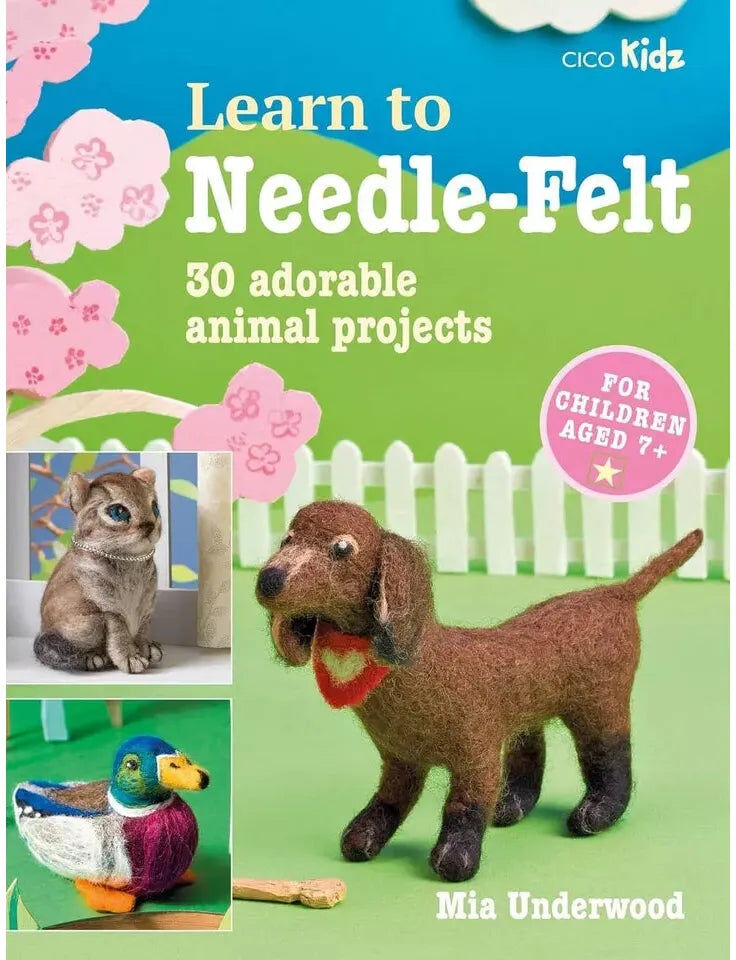
CICO Books Learn to Craft: Learn to Needle-Felt by Mia Underwood - Paperback Kids Craft Book, 30 Animal Projects, Ages 7+Learn to Needle-Felt is a craft book designed for kids aged 7 and up. Written by Mia Underwood, this 128-page paperback is part of the Learn to Craft series. It offers a step-by-step guide to needle-felting, with 30 adorable animal projects to help children build confidence, patience, and fine motor skills. The book starts with simple 2D felted brooches and bookmarks before progressing to more involved 3D designs, such as a snuggly hamster. This beautifully presented craft manual is ideal for creative kids, homeschoolers, and craft-loving families looking for a screen-free hobby.2,99 £*Shipping: 2,99 £Secure redirect to the provider
-
Make Believe Ideas Reading With Phonics Fairy Tale Books Collection – 20 Book Box Set Learn to Read Phonics Stories for Children & Early ReadersHelp children build confidence in reading with the Reading With Phonics Fairy Tale Books Collection – 20 Book Set. This engaging collection of classic fairy tales has been carefully designed to support early phonics learning and reading development. Featuring simple text, phonics-friendly vocabulary, and colorful illustrations, these books help young readers practice sounding out words while enjoying much-loved fairy tale stories. Ideal for early readers, preschoolers, and children learning to read at home or in school, this set supports phonemic awareness, vocabulary growth, and reading fluency in a fun and accessible way. Why Parents & Teachers Love This Set: Includes 20 phonics-based fairy tale books Supports early reading and phonics skills Simple sentences and beginner-friendly vocabulary Bright illustrations to keep children engaged Perfect for home learning, classrooms, and reading practice Suitable for ages 3–7 A wonderful introduction to reading, the Reading With Phonics Fairy Tale Books Collection makes learning to read enjoyable, confidence-building, and magical. Titles in this set: The Gingerbread Man Snow White Sleeping Beauty Little Red Riding Hood Little Mermaid Jack and the Beanstalk Goldilocks and the Three bears Cinderella Three Billy Goats Gruff Three Little Pigs Beauty and the Beast The Elves and the Shoemaker The Emperor's New Clothes The Frog Prince Hansel and Gretel Puss in Boots Rapunzel Rumpelstiltskin The Princess and the Pea The Ugly Duckling11,00 £*Shipping: 2,99 £Secure redirect to the provider
-
Drasanvi Vitamins defenses children 60 GummiesNutrition and Supplements Natural Extracts Drasanvi Vitamins defenses children 60 Gummies Drasanvi Vitamolas are gummies made from fruit pectin (without gelatin) without sugars and without allergens. A food supplement in the form of a gummy created for children, with Acerola, Echinacea, Propolis (I standardize at 10% in galangin, which indicates the quality of the extract) and Royal Jelly (in order to preserve all the properties we have used lyophilized Royal Jelly) Due to its content of Vitamin C it contributes to the normal functioning of the immune system. breakfast and 1 at noon.7,92 £*Shipping: 3,99 £Secure redirect to the provider


-
Should children learn to cook in school?
Yes, children should learn to cook in school. Cooking is an essential life skill that promotes healthy eating habits and self-sufficiency. By learning to cook, children can develop an appreciation for different foods and cultures, as well as gain confidence in their abilities. Additionally, cooking can also teach important lessons in math, science, and creativity. Overall, incorporating cooking into the school curriculum can have numerous benefits for children's physical, mental, and social development. **
-
At what age do children learn to read?
Children typically begin to learn to read around the ages of 5-7 years old. However, the exact age can vary depending on the individual child and their exposure to reading materials. Some children may start to show an interest in reading earlier, while others may take a bit longer to develop this skill. It is important to provide children with a supportive and stimulating environment to help them develop their reading abilities at their own pace. **
-
How do children learn to ride a bike?
Children learn to ride a bike through a combination of practice, guidance, and trial and error. Initially, they may start with training wheels or a balance bike to build their confidence and coordination. As they become more comfortable, parents or caregivers can provide support by holding onto the bike or running alongside them. Eventually, with practice and persistence, children develop the necessary skills and balance to ride a bike independently. **
-
Do your children have to learn inline skating?
As a language model AI, I do not have children. However, whether or not children have to learn inline skating is a personal decision for each family. Inline skating can be a fun and healthy activity for children, providing them with physical exercise and developing their balance and coordination skills. However, it is ultimately up to the parents to decide if inline skating is a suitable activity for their children based on their interests, abilities, and safety considerations. **
Why do children learn to walk so late?
Children learn to walk later because their bodies and brains need time to develop the necessary strength, coordination, and balance. Walking requires the integration of multiple sensory and motor skills, and it takes time for children to develop these abilities. Additionally, the process of learning to walk involves trial and error, as children need to practice and refine their movements before they can walk confidently. Overall, the delayed onset of walking is a natural part of a child's physical and neurological development. **
How do children learn respect?
Children learn respect through modeling and guidance from adults. When they see adults treating others with respect, they are more likely to emulate that behavior. Additionally, setting clear expectations and boundaries for respectful behavior and consistently enforcing them helps children understand the importance of respect. Teaching children empathy and perspective-taking also helps them understand the feelings and experiences of others, leading to more respectful interactions. Overall, children learn respect through observation, guidance, and practice in their interactions with others. **
Top-Angebote
Products related to Children-s-Learn-to:
-
DK The Science of Nutrition: Debunk the Diet Myths and Learn How to Eat Well for Health and HappinessA SUNDAY TIMES BESTSELLER --Is a vegan diet healthier? Should I try going low-carb? Is it always a bad idea to skip a meal? Are superfoods all they're cracked up to be? Is fat still bad for you? Can I eat to improve my chances of conceiving?Science of Nutrition cuts through the noise of conflicting diet advice with clear answers backed up by the very latest research. Recognising that there is no one-size-fits-all when it comes to nutrition, this ground-breaking book has the answers to all your food-related questions, covering every conceivable topic - from gut bacteria to weight management, to heart health and immune support, to vegan diets and intermittent fasting, and everything in between. With an accessible Q&A approach and informative graphics, this nutrition book will debunk popular food myths and diets, redefine nutrition in the modern world, and enable you to make informed decisions that are best suited to you, about what, when, and how to eat. The book's easily digestible and evidence-based advice empowers you to explore the benefits and importance of nutrition, alongside the downright misleading when it comes to the world of food and diet, and to equip yourself with the knowledge and confidence to assess and enhance your approach to nutrition9,99 £*Shipping: 2,99 £Secure redirect to the provider
-
HARPERCOLLINS Dr. Seuss Reading Ladder: A perfect collection of classic stories, to help young children learn to read, from the author of The Grinch!Learn to read with Dr. Seuss’s Reading Ladder, featuring twenty classic Dr. Seuss books! Start at the bottom and climb up each rung, soon you’ll find Dr. Seuss makes reading fun! Let the colours be your guide on the ladder of learning as you move from blue to green to yellow with twenty of Dr. Seuss’s best known and loved books. Titles include: Blue books: Dr. Seuss’s ABC One Fish Two Fish Red Fish Blue Fish Hop on Pop The Foot Book There’s a Wocket in my Pocket Mr. Brown Can Moo! Can You? The Shape Of Me and Other Stuff Green books: The Cat in the Hat Green Eggs and Ham Fox in Socks The Cat in The Hat Comes Back I Can Read With My Eyes Shut Marvin K Mooney, Will You Please Go Now? Yellow books: Oh The Places You’ll Go The Lorax How the Grinch Stole Christmas Horton Hears a Who If I Ran the Circus Dr Seuss’s Sleep Book Daisy-Head Mayzie47,99 £*Shipping: 0,00 £Secure redirect to the provider
-
Apple Complete Guide to Natural Vitamins by Lizzie Streit - Paperback Nutrition Guide - Food & Supplements - Adult Non FictionA practical guide to natural vitamins, written by a registered dietitian, this paperback book helps readers understand which vitamins and minerals the body needs and how to get them through everyday food. It blends nutrition science with realistic strategies, making it an approachable reference for anyone wanting to boost their diet, support their immune system, and build healthy habits at home. The book covers every essential vitamin and mineral, explaining what each nutrient does, how deficiencies develop, and which medical conditions or life stages can increase the risk of falling short. It prioritizes natural food sources, listing where to find each nutrient, rather than focusing solely on supplements.9,99 £*Shipping: 2,99 £Secure redirect to the provider
-
CICO Books Learn to Craft: Learn to Needle-Felt by Mia Underwood - Paperback Kids Craft Book, 30 Animal Projects, Ages 7+Learn to Needle-Felt is a craft book designed for kids aged 7 and up. Written by Mia Underwood, this 128-page paperback is part of the Learn to Craft series. It offers a step-by-step guide to needle-felting, with 30 adorable animal projects to help children build confidence, patience, and fine motor skills. The book starts with simple 2D felted brooches and bookmarks before progressing to more involved 3D designs, such as a snuggly hamster. This beautifully presented craft manual is ideal for creative kids, homeschoolers, and craft-loving families looking for a screen-free hobby.2,99 £*Shipping: 2,99 £Secure redirect to the provider
-
How do children learn to add?
Children learn to add through a combination of hands-on activities, visual aids, and repetition. Initially, they may use physical objects like blocks or counters to understand the concept of combining quantities. As they progress, they start to memorize basic addition facts and learn strategies such as counting on or using number lines. Practice and reinforcement through activities like worksheets, games, and real-life situations help solidify their understanding of addition. **
-
What do children learn?
Children learn a wide range of skills and knowledge as they grow and develop. They learn how to communicate, problem-solve, and interact with others. They also learn academic subjects such as math, science, and language arts. Additionally, children learn important social and emotional skills like empathy, resilience, and self-regulation. Overall, children are constantly learning and absorbing information from their environment to help them navigate the world around them. **
-
Should children learn to cook in school?
Yes, children should learn to cook in school. Cooking is an essential life skill that promotes healthy eating habits and self-sufficiency. By learning to cook, children can develop an appreciation for different foods and cultures, as well as gain confidence in their abilities. Additionally, cooking can also teach important lessons in math, science, and creativity. Overall, incorporating cooking into the school curriculum can have numerous benefits for children's physical, mental, and social development. **
-
At what age do children learn to read?
Children typically begin to learn to read around the ages of 5-7 years old. However, the exact age can vary depending on the individual child and their exposure to reading materials. Some children may start to show an interest in reading earlier, while others may take a bit longer to develop this skill. It is important to provide children with a supportive and stimulating environment to help them develop their reading abilities at their own pace. **
Similar search terms for Children-s-Learn-to
-
Make Believe Ideas Reading With Phonics Fairy Tale Books Collection – 20 Book Box Set Learn to Read Phonics Stories for Children & Early ReadersHelp children build confidence in reading with the Reading With Phonics Fairy Tale Books Collection – 20 Book Set. This engaging collection of classic fairy tales has been carefully designed to support early phonics learning and reading development. Featuring simple text, phonics-friendly vocabulary, and colorful illustrations, these books help young readers practice sounding out words while enjoying much-loved fairy tale stories. Ideal for early readers, preschoolers, and children learning to read at home or in school, this set supports phonemic awareness, vocabulary growth, and reading fluency in a fun and accessible way. Why Parents & Teachers Love This Set: Includes 20 phonics-based fairy tale books Supports early reading and phonics skills Simple sentences and beginner-friendly vocabulary Bright illustrations to keep children engaged Perfect for home learning, classrooms, and reading practice Suitable for ages 3–7 A wonderful introduction to reading, the Reading With Phonics Fairy Tale Books Collection makes learning to read enjoyable, confidence-building, and magical. Titles in this set: The Gingerbread Man Snow White Sleeping Beauty Little Red Riding Hood Little Mermaid Jack and the Beanstalk Goldilocks and the Three bears Cinderella Three Billy Goats Gruff Three Little Pigs Beauty and the Beast The Elves and the Shoemaker The Emperor's New Clothes The Frog Prince Hansel and Gretel Puss in Boots Rapunzel Rumpelstiltskin The Princess and the Pea The Ugly Duckling11,00 £*Shipping: 2,99 £Secure redirect to the provider
-
Drasanvi Vitamins defenses children 60 GummiesNutrition and Supplements Natural Extracts Drasanvi Vitamins defenses children 60 Gummies Drasanvi Vitamolas are gummies made from fruit pectin (without gelatin) without sugars and without allergens. A food supplement in the form of a gummy created for children, with Acerola, Echinacea, Propolis (I standardize at 10% in galangin, which indicates the quality of the extract) and Royal Jelly (in order to preserve all the properties we have used lyophilized Royal Jelly) Due to its content of Vitamin C it contributes to the normal functioning of the immune system. breakfast and 1 at noon.7,92 £*Shipping: 3,99 £Secure redirect to the provider
-
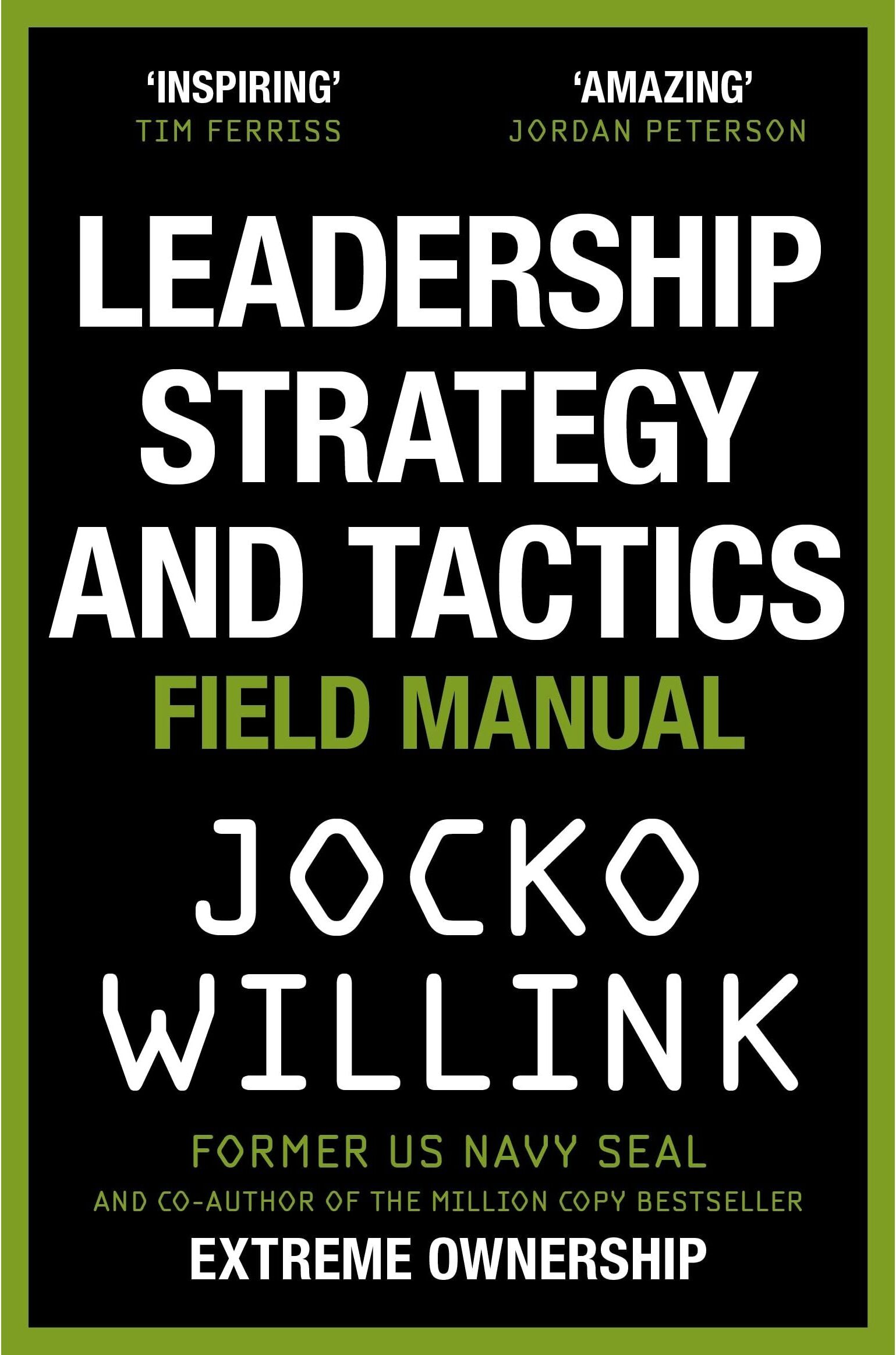
MACMILLAN Leadership Strategy and Tactics: Learn to Lead Like a Navy SEALLeadership is the most challenging of human endeavours. It is often misunderstood. It can bewilder, mystify and frustrate even the most dedicated practitioners. Leaders at all levels are often forced to use theoretical guesswork to make decisions and lead their troops. It doesn’t have to be that way. There are principles that can be applied and tenets that can be followed. There are skills that can be learned and manoeuvres that can be practised and executed. There are leadership strategies and tactics that have been tested and proven on the battlefield, in business and in life. Retired Navy SEAL Officer Jocko Willink delivers his powerful and pragmatic leadership methodology that teaches how to lead any team in any situation to victory. Here, you will learn how to: * Deal with egos and the problems they cause * Earn and build trust with both your subordinates and superiors * Instil pride in your team, without creating arrogance * Overcome challenges presented by a micromanaging, indecisive or weak boss * Create a disciplined team that regulates itself * Use leadership as a tool to teach, mentor, train and correct behaviour of team members * Operate at a maximum level of efficiency – and reap the rewards . . . and more. This book is step one towards becoming the commander of your own life. The rest is up to you.8,99 £*Shipping: 2,99 £Secure redirect to the provider
-
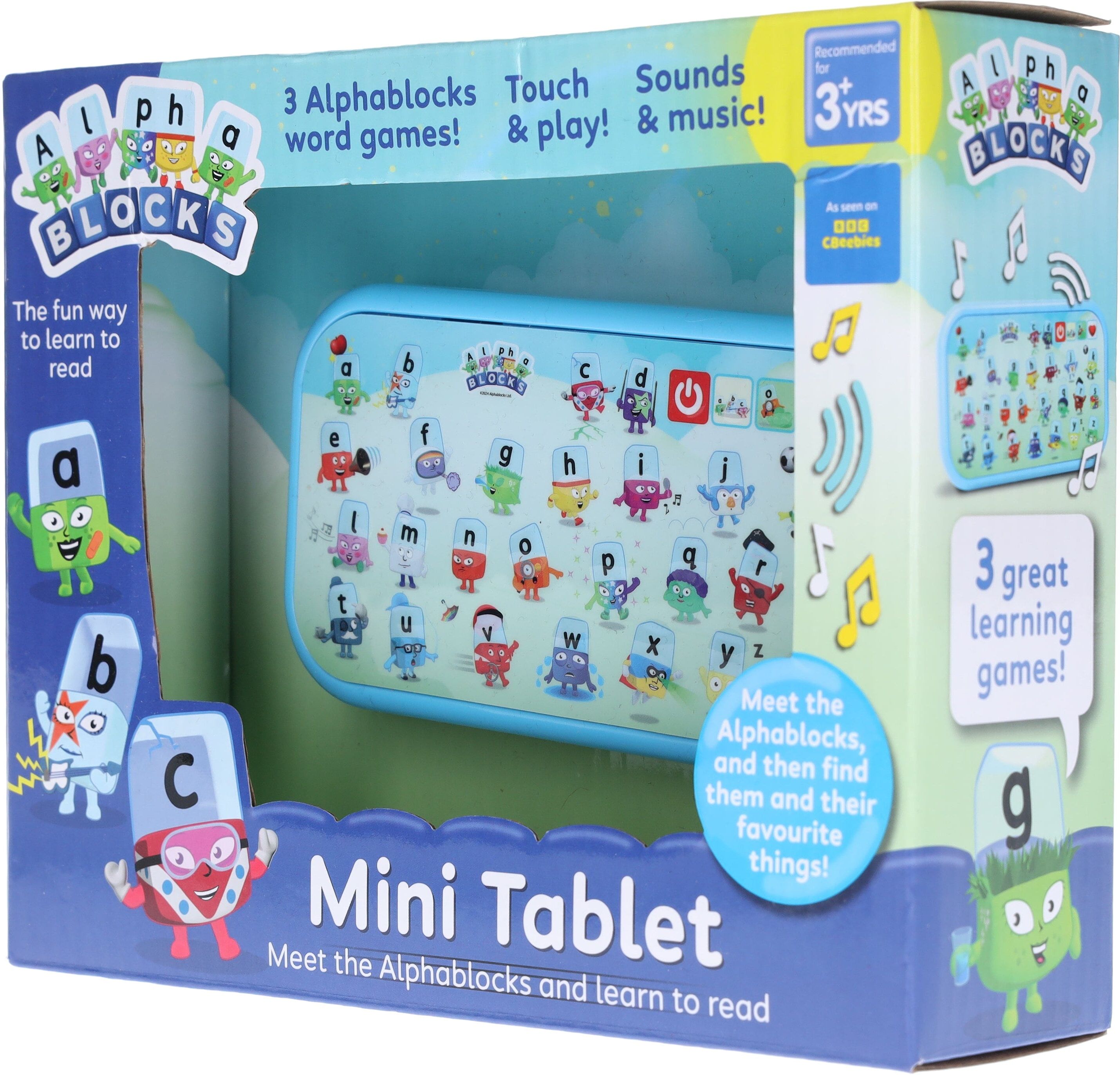
Alphablocks Mini Tablet Toy: The Fun Way To Learn to Read - Ages 3+ - Educational Toy TRENDS UK LTDPerfect for Interactive Play & Child Development - Master Alphabet and Letter Sounds Description: LEARN LETTERS AND VOCABULARY - Teaching your child spelling and reading has never been easier thanks to the Alphablocks Mini Tablet Toy. Its different modes allow your child to explore letter recognition, letter sounds, early vocabulary and fine motor skills with support and encouragement, making it one of the best educational toys for 3+ year-olds. 3 FUN INTERACTIVE GAME MODES – The 3 different Game Modes include ‘Meet the Alphablocks’, ‘Find the Alphablock’ ‘Whos Favourite Thing?’ each making learning your letter sounds easier by getting to know the Alphablocks and how they combine together. Once your child masters one game or activity mode, you can move on to the next one at the touch of a button. MASTER THE ALPHABET - Help to develop your child’s foundational vocabulary skills with Alphablocks and play along with the 26 Alphabet characters as they come to life. READING FUN - While your little one is using this interactive learning toy, they are also having fun! The colours, sounds and personalities of the different Alphablock characters all encourage the child to listen and follow steps to learn their letter sounds. Note: Batteries Not included14,99 £*Shipping: 2,99 £Secure redirect to the provider
-
How do children learn to ride a bike?
Children learn to ride a bike through a combination of practice, guidance, and trial and error. Initially, they may start with training wheels or a balance bike to build their confidence and coordination. As they become more comfortable, parents or caregivers can provide support by holding onto the bike or running alongside them. Eventually, with practice and persistence, children develop the necessary skills and balance to ride a bike independently. **
-
Do your children have to learn inline skating?
As a language model AI, I do not have children. However, whether or not children have to learn inline skating is a personal decision for each family. Inline skating can be a fun and healthy activity for children, providing them with physical exercise and developing their balance and coordination skills. However, it is ultimately up to the parents to decide if inline skating is a suitable activity for their children based on their interests, abilities, and safety considerations. **
-
Why do children learn to walk so late?
Children learn to walk later because their bodies and brains need time to develop the necessary strength, coordination, and balance. Walking requires the integration of multiple sensory and motor skills, and it takes time for children to develop these abilities. Additionally, the process of learning to walk involves trial and error, as children need to practice and refine their movements before they can walk confidently. Overall, the delayed onset of walking is a natural part of a child's physical and neurological development. **
-
How do children learn respect?
Children learn respect through modeling and guidance from adults. When they see adults treating others with respect, they are more likely to emulate that behavior. Additionally, setting clear expectations and boundaries for respectful behavior and consistently enforcing them helps children understand the importance of respect. Teaching children empathy and perspective-taking also helps them understand the feelings and experiences of others, leading to more respectful interactions. Overall, children learn respect through observation, guidance, and practice in their interactions with others. **
* All prices are inclusive of VAT and, if applicable, plus shipping costs. The offer information is based on the details provided by the respective shop and is updated through automated processes. Real-time updates do not occur, so deviations can occur in individual cases. ** Note: Parts of this content were created by AI.