Buy pgx.eu ?
We are moving the project
pgx.eu .
Are you interested in purchasing the domain
pgx.eu ?
domain@kv-gmbh.de · 0541-91531010
Buy pgx.eu ?
What is needed for studying orthodontics?
To study orthodontics, one typically needs to have a bachelor's degree in a related field such as biology or chemistry. After completing a bachelor's degree, one must attend dental school to earn a Doctor of Dental Surgery (DDS) or Doctor of Dental Medicine (DMD) degree. Following dental school, additional training and education in orthodontics is required through a postgraduate orthodontic residency program, which can take an additional 2-3 years to complete. **
What are bio-arches or orthodontics?
Bio-arches, also known as orthodontics, are a branch of dentistry that focuses on correcting irregularities in the teeth and jaws. This can include issues such as misaligned teeth, overbites, underbites, and crowded teeth. Orthodontic treatment often involves the use of braces, aligners, and other dental appliances to gradually move the teeth into their proper positions. The goal of bio-arches or orthodontics is to improve the function and appearance of the teeth and jaws, as well as overall oral health. **

Similar search terms for Orthodontics
Top-Angebote
Products related to Orthodontics:
-
Corega Orthodontics & Splints 36 TabletsHealth and Beauty Oral Care Corega Orthodontics & Splints 36 Tablets Effective cleaning of dental appliances. Eliminates 99.99% of bacteria. Corega braces and splint cleaning tablets provide fast, effective daily cleaning of any dental appliance. They gently remove stains without damaging the prosthesis, restoring its original color. They reduce the accumulation of bacterial plaque and tartar. They eliminate 99.99% of bacteria. Corega orthodontic and splint cleaning tablets are indicated for cleaning dental appliances such as:- Aligners or retainers. - Invisible orthodontics. - Discharge splints. - Removable metal appliances. - Sports mouthguards. Instructions for use: - Place 1 tablet in a glass with enough warm water to completely cover the dental appliance. - Submerge the prosthesis and let the product act for 3-5 minutes. - Remove the prosthesis and clean it with the solution using a soft brush. - Rinse the prosthesis with running water. - Discard the remaining solution after use.8,26 £*Shipping: 3,99 £Secure redirect to the provider
-
Corega Orthodontics & Splints Daily Cleanser 66 TabletsHealth and Beauty Oral Care Corega Orthodontics & Splints Daily Cleanser 66 Tablets Wearing braces can cause bacteria to build up and cause bad breath, so we've developed a daily antibacterial cleaner to help keep your braces clean and fresh. Our NEW Corega Orthodontics & Braces Antibacterial Daily Cleansing Tablets have been developed with Crystal Clear Technology—to help keep your braces looking their best, when used as directed. The cleanser formulation is designed to remove stains, help restore the original color, and also kill odor-causing bacteria and viruses.*13,61 £*Shipping: 3,99 £Secure redirect to the provider
-
Apple Complete Guide to Natural Vitamins by Lizzie Streit - Paperback Nutrition Guide - Food & Supplements - Adult Non FictionA practical guide to natural vitamins, written by a registered dietitian, this paperback book helps readers understand which vitamins and minerals the body needs and how to get them through everyday food. It blends nutrition science with realistic strategies, making it an approachable reference for anyone wanting to boost their diet, support their immune system, and build healthy habits at home. The book covers every essential vitamin and mineral, explaining what each nutrient does, how deficiencies develop, and which medical conditions or life stages can increase the risk of falling short. It prioritizes natural food sources, listing where to find each nutrient, rather than focusing solely on supplements.9,99 £*Shipping: 2,99 £Secure redirect to the provider




-
What is a palate anchorage in orthodontics?
In orthodontics, palate anchorage refers to using the roof of the mouth (palate) as a source of anchorage to help move teeth into their correct positions. This technique is often used when there is a need to create space or correct the alignment of teeth. Palate anchorage can be achieved through the use of devices such as palatal expanders or temporary anchorage devices (TADs) that are attached to the palate to provide additional support during orthodontic treatment. By utilizing palate anchorage, orthodontists can achieve more precise and effective tooth movement. **
-
What is a functional analysis in orthodontics?
A functional analysis in orthodontics is a comprehensive evaluation of the relationship between the teeth, jaws, and surrounding structures to assess how they function together. This analysis helps orthodontists understand how the patient's bite and jaw movements may be contributing to any orthodontic issues. By examining factors such as jaw alignment, muscle function, and bite patterns, orthodontists can develop a treatment plan that addresses not only the alignment of the teeth but also the overall function of the patient's bite. This approach ensures that the orthodontic treatment not only improves the aesthetics of the smile but also enhances the overall function and health of the patient's bite. **
-
What is a palatal anchorage in orthodontics?
Palatal anchorage in orthodontics refers to the use of the palate (the roof of the mouth) as a stable point of support to help move teeth into their correct positions. This technique is often used in cases where there is a need to prevent unwanted movement of certain teeth while adjusting the position of others. Palatal anchorage can be achieved through the use of devices such as palatal expanders or temporary implants that are attached to the palate to provide additional support during orthodontic treatment. **
-
What is a palate anchor in orthodontics?
A palate anchor in orthodontics is a device used to widen the upper jaw. It is typically attached to the roof of the mouth and connected to braces or other orthodontic appliances. The palate anchor helps create more space in the mouth for crowded teeth and can also help correct bite issues. This device is often used in conjunction with other orthodontic treatments to achieve optimal results. **


What level of education is required for orthodontics?
To become an orthodontist, one must complete a bachelor's degree, followed by four years of dental school to earn a Doctor of Dental Surgery (DDS) or Doctor of Dental Medicine (DMD) degree. After dental school, orthodontists must complete an additional two to three years of specialized training in an orthodontic residency program. This means that a total of 10-11 years of education and training is required to become an orthodontist. **
Should one study orthodontics or pursue an apprenticeship?
The decision to study orthodontics or pursue an apprenticeship depends on individual career goals and interests. Studying orthodontics requires a significant investment of time and resources, but it can lead to a specialized and potentially lucrative career in dentistry. On the other hand, pursuing an apprenticeship can provide hands-on experience and practical skills in a specific trade or profession. Ultimately, individuals should consider their long-term career aspirations, personal strengths, and preferences before making a decision. **
Top-Angebote
Products related to Orthodontics:
-
Kin Normal wax OrthodonticsHealth and Beauty Oral Care Kin Normal wax Orthodontics Orthodontic wax to prevent the brackets from rubbing the buccal mucose by covering the edges of the appliances and braces causing the pain. Contains five 4.5 mm x 55 mm bars. Guidelines for administration: Cut a piece of the orthodontic wax from the case and apply on the area (wire or bracket) causing the pain. Presentations: 5 barras6,29 £*Shipping: 3,99 £Secure redirect to the provider
-
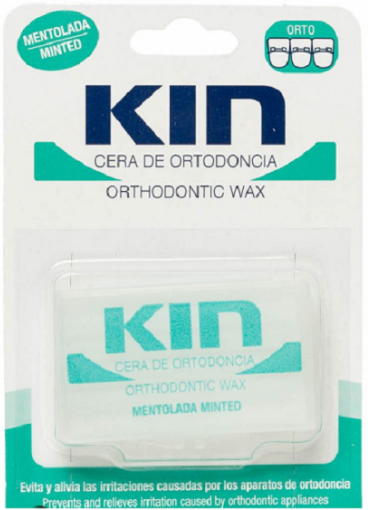
Kin Mentholated wax OrthodonticsHealth and Beauty Oral Care Kin Mentholated wax Orthodontics Mentholated orthodontic wax to prevent the brackets from rubbing the buccal mucose by covering the edges of the appliances and braces. Contains five 4.5 mm x 55 mm wax bars. Guidelines for administration Cut off a piece of the orthodontic wax from the case and apply on the area (wire or bracket) causing the pain. Presentations: 5 barras6,29 £*Shipping: 3,99 £Secure redirect to the provider
-
Corega Orthodontics & Splints 36 TabletsHealth and Beauty Oral Care Corega Orthodontics & Splints 36 Tablets Effective cleaning of dental appliances. Eliminates 99.99% of bacteria. Corega braces and splint cleaning tablets provide fast, effective daily cleaning of any dental appliance. They gently remove stains without damaging the prosthesis, restoring its original color. They reduce the accumulation of bacterial plaque and tartar. They eliminate 99.99% of bacteria. Corega orthodontic and splint cleaning tablets are indicated for cleaning dental appliances such as:- Aligners or retainers. - Invisible orthodontics. - Discharge splints. - Removable metal appliances. - Sports mouthguards. Instructions for use: - Place 1 tablet in a glass with enough warm water to completely cover the dental appliance. - Submerge the prosthesis and let the product act for 3-5 minutes. - Remove the prosthesis and clean it with the solution using a soft brush. - Rinse the prosthesis with running water. - Discard the remaining solution after use.8,26 £*Shipping: 3,99 £Secure redirect to the provider
-
Corega Orthodontics & Splints Daily Cleanser 66 TabletsHealth and Beauty Oral Care Corega Orthodontics & Splints Daily Cleanser 66 Tablets Wearing braces can cause bacteria to build up and cause bad breath, so we've developed a daily antibacterial cleaner to help keep your braces clean and fresh. Our NEW Corega Orthodontics & Braces Antibacterial Daily Cleansing Tablets have been developed with Crystal Clear Technology—to help keep your braces looking their best, when used as directed. The cleanser formulation is designed to remove stains, help restore the original color, and also kill odor-causing bacteria and viruses.*13,61 £*Shipping: 3,99 £Secure redirect to the provider
-
What is needed for studying orthodontics?
To study orthodontics, one typically needs to have a bachelor's degree in a related field such as biology or chemistry. After completing a bachelor's degree, one must attend dental school to earn a Doctor of Dental Surgery (DDS) or Doctor of Dental Medicine (DMD) degree. Following dental school, additional training and education in orthodontics is required through a postgraduate orthodontic residency program, which can take an additional 2-3 years to complete. **
-
What are bio-arches or orthodontics?
Bio-arches, also known as orthodontics, are a branch of dentistry that focuses on correcting irregularities in the teeth and jaws. This can include issues such as misaligned teeth, overbites, underbites, and crowded teeth. Orthodontic treatment often involves the use of braces, aligners, and other dental appliances to gradually move the teeth into their proper positions. The goal of bio-arches or orthodontics is to improve the function and appearance of the teeth and jaws, as well as overall oral health. **
-
What is a palate anchorage in orthodontics?
In orthodontics, palate anchorage refers to using the roof of the mouth (palate) as a source of anchorage to help move teeth into their correct positions. This technique is often used when there is a need to create space or correct the alignment of teeth. Palate anchorage can be achieved through the use of devices such as palatal expanders or temporary anchorage devices (TADs) that are attached to the palate to provide additional support during orthodontic treatment. By utilizing palate anchorage, orthodontists can achieve more precise and effective tooth movement. **
-
What is a functional analysis in orthodontics?
A functional analysis in orthodontics is a comprehensive evaluation of the relationship between the teeth, jaws, and surrounding structures to assess how they function together. This analysis helps orthodontists understand how the patient's bite and jaw movements may be contributing to any orthodontic issues. By examining factors such as jaw alignment, muscle function, and bite patterns, orthodontists can develop a treatment plan that addresses not only the alignment of the teeth but also the overall function of the patient's bite. This approach ensures that the orthodontic treatment not only improves the aesthetics of the smile but also enhances the overall function and health of the patient's bite. **
Similar search terms for Orthodontics
-
Apple Complete Guide to Natural Vitamins by Lizzie Streit - Paperback Nutrition Guide - Food & Supplements - Adult Non FictionA practical guide to natural vitamins, written by a registered dietitian, this paperback book helps readers understand which vitamins and minerals the body needs and how to get them through everyday food. It blends nutrition science with realistic strategies, making it an approachable reference for anyone wanting to boost their diet, support their immune system, and build healthy habits at home. The book covers every essential vitamin and mineral, explaining what each nutrient does, how deficiencies develop, and which medical conditions or life stages can increase the risk of falling short. It prioritizes natural food sources, listing where to find each nutrient, rather than focusing solely on supplements.9,99 £*Shipping: 2,99 £Secure redirect to the provider
-
Cornerstone Press Make Me Well: The Truth About the Wellness Industry, Supplements, and Personalised Health by Xand van TullekenIn a world of endless wellness advice, learn how to make smarter decisions about your health with the empowering new book from doctor and broadcaster Xand Van Tulleken. Drawing on original reporting, expert insight and real-world case studies, he explores: The truth about supplements and vitamins ― what works and what doesn’t The rise of at-home blood testing and personalised health plans How wearable technology (fitness trackers, sleep trackers, smartwatches) shapes our behaviour The promises and pitfalls of consumer genomics and DNA testing Why the line between healthcare and the wellness industry has become blurred There has never been a more confusing time to try to be healthy. From supplements and blood testing to wearable technology and consumer genomics, the modern wellness industry promises better energy, performance and longevity. But how much of it is science, and how much is marketing? In his groundbreaking book, Make Me Well, Xand van Tulleken investigates the new Wild West of the wellness industry, offering a clear, evidence-based guide to navigating today’s most popular health trends. With practical advice and accessible science, Make Me Well will help you cut through misinformation, avoid unnecessary costs, and make informed decisions about your physical and mental wellbeing. If you’ve ever wondered which health trends are worth your time and money, this is your essential guide to modern wellness.12,99 £*Shipping: 2,99 £Secure redirect to the provider
-
Harper ltd Max Lugavere 2 Book Set – Genius Foods & The Genius Life Brain Health, Nutrition & Wellness CollectionMax Lugavere 2-Book Collection Set (The Genius Life & Genius Foods – Nutrition, Health, Wellness, Diet, Brain & Body Health, Self-Help & Fitness) The Genius Life: Heal Your Mind, Strengthen Your Body, and Become Extraordinary: Supporting the work of Battersea Dogs and Cats Home.Enjoy a heartwarming dog to brighten every single day of the year. From Pickles, the dog who single-handedly saved the 1966 world cup, to Pal, who found silver screen fame as the original Lassie, Battersea's A Dog a Day contains 365 fascinating stories of dogs to enjoy throughout the year.Beautifully packaged and illustrated throughout with charming illustrations of cheeky puppies and hounds, this is the perfect book for any lover of our four-legged friends. Genius Foods: Become Smarter, Happier, and More Productive While Protecting Your Brain for Life: After his mother was diagnosed with a mysterious form of dementia, Max Lugavere put his successful media career on hold to learn everything he could about brain health and performance. For the better half of a decade, he consumed the most up-to-date scientific research, talked to dozens of leading scientists and clinicians around the world, and visited the country’s best neurology departments—all in the hopes of understanding his mother’s condition.Now, in Genius Foods, Lugavere presents a comprehensive guide to brain optimization. He uncovers the stunning link between our dietary and lifestyle choices and our brain functions, revealing how the foods you eat directly affect your ability to focus, learn, remember, create, analyze new ideas, and maintain a balanced mood.12,95 £*Shipping: 2,99 £Secure redirect to the provider
-
What is a palatal anchorage in orthodontics?
Palatal anchorage in orthodontics refers to the use of the palate (the roof of the mouth) as a stable point of support to help move teeth into their correct positions. This technique is often used in cases where there is a need to prevent unwanted movement of certain teeth while adjusting the position of others. Palatal anchorage can be achieved through the use of devices such as palatal expanders or temporary implants that are attached to the palate to provide additional support during orthodontic treatment. **
-
What is a palate anchor in orthodontics?
A palate anchor in orthodontics is a device used to widen the upper jaw. It is typically attached to the roof of the mouth and connected to braces or other orthodontic appliances. The palate anchor helps create more space in the mouth for crowded teeth and can also help correct bite issues. This device is often used in conjunction with other orthodontic treatments to achieve optimal results. **
-
What level of education is required for orthodontics?
To become an orthodontist, one must complete a bachelor's degree, followed by four years of dental school to earn a Doctor of Dental Surgery (DDS) or Doctor of Dental Medicine (DMD) degree. After dental school, orthodontists must complete an additional two to three years of specialized training in an orthodontic residency program. This means that a total of 10-11 years of education and training is required to become an orthodontist. **
-
Should one study orthodontics or pursue an apprenticeship?
The decision to study orthodontics or pursue an apprenticeship depends on individual career goals and interests. Studying orthodontics requires a significant investment of time and resources, but it can lead to a specialized and potentially lucrative career in dentistry. On the other hand, pursuing an apprenticeship can provide hands-on experience and practical skills in a specific trade or profession. Ultimately, individuals should consider their long-term career aspirations, personal strengths, and preferences before making a decision. **
* All prices are inclusive of VAT and, if applicable, plus shipping costs. The offer information is based on the details provided by the respective shop and is updated through automated processes. Real-time updates do not occur, so deviations can occur in individual cases. ** Note: Parts of this content were created by AI.