Buy pgx.eu ?
We are moving the project
pgx.eu .
Are you interested in purchasing the domain
pgx.eu ?
domain@kv-gmbh.de · 0541-91531010
Buy pgx.eu ?
What is essential oil?
Essential oils are highly concentrated plant extracts that capture the natural aroma and beneficial properties of the plant. They are typically extracted through methods like distillation or cold pressing. Essential oils are used in aromatherapy, skincare, and natural medicine due to their therapeutic properties. Each essential oil has a unique scent and potential health benefits, making them popular for relaxation, mood enhancement, and overall well-being. **
Instead of essential oil, soap oil, and fragrance oil?
Instead of essential oil, soap oil, and fragrance oil, you could consider using natural alternatives such as coconut oil, olive oil, or shea butter for their moisturizing properties. These ingredients can help nourish and hydrate the skin without the need for added fragrances or synthetic oils. Additionally, using natural oils can be more sustainable and environmentally friendly compared to their synthetic counterparts. **
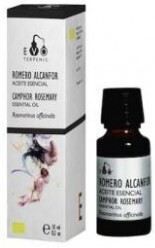

Similar search terms for Terpenic-Lab-Essential-Oil
Top-Angebote
Products related to Terpenic-Lab-Essential-Oil:
-
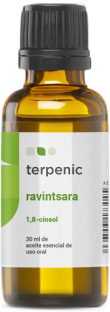
Terpenic Lab Ravintsara Essential Oil 30mlNutrition and Supplements Natural Extracts Terpenic Lab Ravintsara Essential Oil 30ml Properties: Antiviral, Antimicrobial, Expectorant, Spasmolytic, Anti-inflammatory, Immunostimulant. Indications: Bronchitis, Flu, Cough, Herpes, Environmental antiseptic, muscle contractures. Not to be confused with Ravensara. Food, topical and oral use.21,12 £*Shipping: 3,99 £Secure redirect to the provider
-
Terpenic Lab Pine essential oil 10 mlHealth and Beauty Creams Terpenic Lab Pine essential oil 10 ml Vegetable oils are greasy substances obtained by cold expression of semmillas or fruits of oleaginous plants. We also include in this section the oceans The most abundant essential fatty acids are oleic acid and linoleic acid. In the unsaponifiable part that we obtain, there are fundamental vitamins such as B vitamins, trace elements, phytosterols, among others, stigmasterol.8,05 £*Shipping: 3,99 £Secure redirect to the provider
-
Terpenic Lab Grapefruit Essential Oil 10 mlHealth and Beauty Creams Terpenic Lab Grapefruit Essential Oil 10 ml Grapefruit Essential Oil has been valued for its properties as: diffusion antiseptic, refreshing Treatment for oily skin, diuretic, astringent, disinfectant, detoxifying. Precautions for use: In external use it is very photosensitizing. Pregnancy, Epilepsy, Hypertension.6,24 £*Shipping: 3,99 £Secure redirect to the provider
-
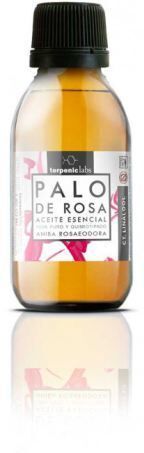
Terpenic Lab Rosewood Essential Oil 10 mlHealth and Beauty Creams Terpenic Lab Rosewood Essential Oil 10 ml Rosewood Essential Oil has been valued for its properties as a skin tonic and antiseptic for upper respiratory tract infections. Therapeutic indications : Skin tonic, acne irritations, wrinkles, stretch marks, sagging, upper respiratory tract infections (otitis, rhinitis, tonsillitis, bronchitis). Precautions for use: This EO contains natural compounds that may cause some type of skin manifestation in people sensitive to these compounds. A test can be performed by applying a small amount to a sensitive area such as the back of the wrist or the crease at the back of the elbow.16,13 £*Shipping: 3,99 £Secure redirect to the provider


-
How is essential oil taken?
Essential oils can be taken in a few different ways. They can be inhaled by using a diffuser or by adding a few drops to a bowl of hot water and inhaling the steam. Some essential oils can also be applied topically, but it's important to dilute them with a carrier oil to avoid skin irritation. Ingesting essential oils is another option, but it should be done with caution and under the guidance of a qualified aromatherapist or healthcare professional, as not all essential oils are safe for internal use. **
-
Is essential oil with limonene carcinogenic?
Limonene itself is not considered carcinogenic. In fact, it is commonly found in many citrus essential oils and is generally recognized as safe for use in food and cosmetics. However, limonene can react with ozone in the air to form formaldehyde, which is a known carcinogen. Therefore, it is important to use essential oils containing limonene in well-ventilated areas to minimize the risk of formaldehyde formation. **
-
Is too much essential oil dangerous?
Yes, too much essential oil can be dangerous. Essential oils are highly concentrated plant extracts and can cause skin irritation, allergic reactions, and even toxicity if ingested in large amounts. It is important to always dilute essential oils properly and use them in moderation to avoid any potential harm. If you have any concerns or experience any adverse reactions, it is best to consult with a healthcare professional. **
-
Is essential oil containing limonene carcinogenic?
Limonene itself is not considered carcinogenic. In fact, it is commonly found in many fruits and plants and is generally recognized as safe for use in food and cosmetics. However, when limonene is oxidized, it can form compounds that have been shown to be carcinogenic in animal studies. Therefore, it is important to use limonene-containing essential oils from reputable sources and store them properly to minimize oxidation. **

Is lilac essential oil harmful or not?
Lilac essential oil is generally considered safe when used in moderation and properly diluted. However, like all essential oils, it can cause skin irritation or allergic reactions in some individuals. It is important to do a patch test before using lilac essential oil topically and to consult with a healthcare professional, especially if you are pregnant, nursing, or have any underlying health conditions. As with any essential oil, it is important to use lilac essential oil with caution and follow proper dilution and usage guidelines. **
What is the exact difference between fragrance oil and essential oil?
The main difference between fragrance oil and essential oil is their source and composition. Essential oils are derived from natural plant sources through processes like distillation or cold pressing, and they contain the characteristic aroma and therapeutic properties of the plant. On the other hand, fragrance oils are synthetic or artificially created scents that mimic the aroma of natural substances. While essential oils have therapeutic benefits and are used in aromatherapy, fragrance oils are primarily used for their scent in products like candles, soaps, and perfumes. **
Top-Angebote
Products related to Terpenic-Lab-Essential-Oil:
-
Terpenic Lab Petitgrain Essential Oil 10mlHealth and Beauty First aid kit Terpenic Lab Petitgrain Essential Oil 10ml Properties: Antidepressant, Antispasmodic, Sedative, Tissue regenerator, Anti-inflammatory Indications: Tachycardia, Arrhythmia, Hypertension, Colitis, Stress, Anxiety, Nervous Spasms Aromatic Family: Citrus Combines with: Lavender, Star Anise, Lavandino. Precautions: Do not use during the first 3 months of pregnancy.6,92 £*Shipping: 3,99 £Secure redirect to the provider
-
Terpenic Lab Ravintsara Essential Oil 10mlNutrition and Supplements Natural Extracts Terpenic Lab Ravintsara Essential Oil 10ml Properties: Antiviral, Antimicrobial, Expectorant, Spasmolytic, Anti-inflammatory, Immunostimulant. Indications: Bronchitis, Flu, Cough, Herpes, Environmental antiseptic, muscle contractures. Do not confuse with Ravensara. Food, topical and oral use.10,04 £*Shipping: 3,99 £Secure redirect to the provider
-
Terpenic Lab Ravintsara Essential Oil 30mlNutrition and Supplements Natural Extracts Terpenic Lab Ravintsara Essential Oil 30ml Properties: Antiviral, Antimicrobial, Expectorant, Spasmolytic, Anti-inflammatory, Immunostimulant. Indications: Bronchitis, Flu, Cough, Herpes, Environmental antiseptic, muscle contractures. Not to be confused with Ravensara. Food, topical and oral use.21,12 £*Shipping: 3,99 £Secure redirect to the provider
-
Terpenic Lab Pine essential oil 10 mlHealth and Beauty Creams Terpenic Lab Pine essential oil 10 ml Vegetable oils are greasy substances obtained by cold expression of semmillas or fruits of oleaginous plants. We also include in this section the oceans The most abundant essential fatty acids are oleic acid and linoleic acid. In the unsaponifiable part that we obtain, there are fundamental vitamins such as B vitamins, trace elements, phytosterols, among others, stigmasterol.8,05 £*Shipping: 3,99 £Secure redirect to the provider
-
What is essential oil?
Essential oils are highly concentrated plant extracts that capture the natural aroma and beneficial properties of the plant. They are typically extracted through methods like distillation or cold pressing. Essential oils are used in aromatherapy, skincare, and natural medicine due to their therapeutic properties. Each essential oil has a unique scent and potential health benefits, making them popular for relaxation, mood enhancement, and overall well-being. **
-
Instead of essential oil, soap oil, and fragrance oil?
Instead of essential oil, soap oil, and fragrance oil, you could consider using natural alternatives such as coconut oil, olive oil, or shea butter for their moisturizing properties. These ingredients can help nourish and hydrate the skin without the need for added fragrances or synthetic oils. Additionally, using natural oils can be more sustainable and environmentally friendly compared to their synthetic counterparts. **
-
How is essential oil taken?
Essential oils can be taken in a few different ways. They can be inhaled by using a diffuser or by adding a few drops to a bowl of hot water and inhaling the steam. Some essential oils can also be applied topically, but it's important to dilute them with a carrier oil to avoid skin irritation. Ingesting essential oils is another option, but it should be done with caution and under the guidance of a qualified aromatherapist or healthcare professional, as not all essential oils are safe for internal use. **
-
Is essential oil with limonene carcinogenic?
Limonene itself is not considered carcinogenic. In fact, it is commonly found in many citrus essential oils and is generally recognized as safe for use in food and cosmetics. However, limonene can react with ozone in the air to form formaldehyde, which is a known carcinogen. Therefore, it is important to use essential oils containing limonene in well-ventilated areas to minimize the risk of formaldehyde formation. **
Similar search terms for Terpenic-Lab-Essential-Oil
-
Terpenic Lab Grapefruit Essential Oil 10 mlHealth and Beauty Creams Terpenic Lab Grapefruit Essential Oil 10 ml Grapefruit Essential Oil has been valued for its properties as: diffusion antiseptic, refreshing Treatment for oily skin, diuretic, astringent, disinfectant, detoxifying. Precautions for use: In external use it is very photosensitizing. Pregnancy, Epilepsy, Hypertension.6,24 £*Shipping: 3,99 £Secure redirect to the provider
-
Terpenic Lab Rosewood Essential Oil 10 mlHealth and Beauty Creams Terpenic Lab Rosewood Essential Oil 10 ml Rosewood Essential Oil has been valued for its properties as a skin tonic and antiseptic for upper respiratory tract infections. Therapeutic indications : Skin tonic, acne irritations, wrinkles, stretch marks, sagging, upper respiratory tract infections (otitis, rhinitis, tonsillitis, bronchitis). Precautions for use: This EO contains natural compounds that may cause some type of skin manifestation in people sensitive to these compounds. A test can be performed by applying a small amount to a sensitive area such as the back of the wrist or the crease at the back of the elbow.16,13 £*Shipping: 3,99 £Secure redirect to the provider
-
Terpenic Lab Ravensara Essential Oil 10 mlHealth and Beauty First aid kit Terpenic Lab Ravensara Essential Oil 10 ml Ravensara essential oil is Antiseptic Anti-inflammatory, antispasmodic Toning, stimulant Nervous rebalancing, anxiolytic. Do not use during the first 3 months of pregnancy. Do not confuse with Ravintsara AE.10,95 £*Shipping: 3,99 £Secure redirect to the provider
-
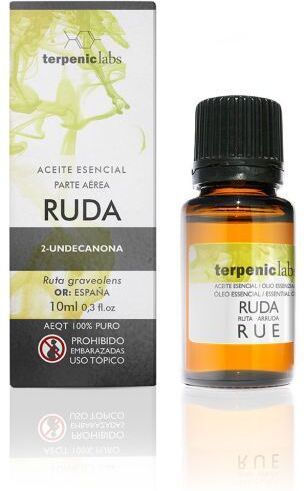
Terpenic Lab Rue Essential Oil 10 mlHealth and Beauty First aid kit Terpenic Lab Rue Essential Oil 10 ml Properties: Antispasmodic, Antiparasitic, Anthelmintic, Venotonic, Rubefacient. Indications: Varicose veins, Hemorrhoids, Rheumatism, Psoriasis, Gastrointestinal spasms. Do not use during pregnancy and lactation. Photosensitizer, do not expose the skin to the sun or UV rays after its application. Exclusive use of the therapist.12,89 £*Shipping: 3,99 £Secure redirect to the provider
-
Is too much essential oil dangerous?
Yes, too much essential oil can be dangerous. Essential oils are highly concentrated plant extracts and can cause skin irritation, allergic reactions, and even toxicity if ingested in large amounts. It is important to always dilute essential oils properly and use them in moderation to avoid any potential harm. If you have any concerns or experience any adverse reactions, it is best to consult with a healthcare professional. **
-
Is essential oil containing limonene carcinogenic?
Limonene itself is not considered carcinogenic. In fact, it is commonly found in many fruits and plants and is generally recognized as safe for use in food and cosmetics. However, when limonene is oxidized, it can form compounds that have been shown to be carcinogenic in animal studies. Therefore, it is important to use limonene-containing essential oils from reputable sources and store them properly to minimize oxidation. **
-
Is lilac essential oil harmful or not?
Lilac essential oil is generally considered safe when used in moderation and properly diluted. However, like all essential oils, it can cause skin irritation or allergic reactions in some individuals. It is important to do a patch test before using lilac essential oil topically and to consult with a healthcare professional, especially if you are pregnant, nursing, or have any underlying health conditions. As with any essential oil, it is important to use lilac essential oil with caution and follow proper dilution and usage guidelines. **
-
What is the exact difference between fragrance oil and essential oil?
The main difference between fragrance oil and essential oil is their source and composition. Essential oils are derived from natural plant sources through processes like distillation or cold pressing, and they contain the characteristic aroma and therapeutic properties of the plant. On the other hand, fragrance oils are synthetic or artificially created scents that mimic the aroma of natural substances. While essential oils have therapeutic benefits and are used in aromatherapy, fragrance oils are primarily used for their scent in products like candles, soaps, and perfumes. **
* All prices are inclusive of VAT and, if applicable, plus shipping costs. The offer information is based on the details provided by the respective shop and is updated through automated processes. Real-time updates do not occur, so deviations can occur in individual cases. ** Note: Parts of this content were created by AI.