Buy pgx.eu ?
We are moving the project
pgx.eu .
Are you interested in purchasing the domain
pgx.eu ?
domain@kv-gmbh.de · 0541-91531010
Buy pgx.eu ?
How can one counter cancel culture?
One way to counter cancel culture is by promoting open dialogue and encouraging diverse perspectives. It is important to listen to different viewpoints and engage in constructive conversations rather than resorting to silencing or shaming individuals. Additionally, educating oneself on the complexities of the issues at hand and approaching discussions with empathy and understanding can help foster a more inclusive and tolerant environment. Lastly, advocating for forgiveness and second chances, as well as focusing on personal growth and learning from mistakes, can help mitigate the negative impacts of cancel culture. **
Which school subject covers everyday culture and health?
Health education is the school subject that covers everyday culture and health. This subject focuses on teaching students about various aspects of health, including physical, mental, and emotional well-being, as well as the impact of culture on health practices. It also addresses topics such as nutrition, exercise, stress management, and healthy relationships, all of which are relevant to everyday life and culture. **


Similar search terms for Counter-culture
Top-Angebote
Products related to Counter-culture:
-
Cornerstone Press Make Me Well: The Truth About the Wellness Industry, Supplements, and Personalised Health by Xand van TullekenIn a world of endless wellness advice, learn how to make smarter decisions about your health with the empowering new book from doctor and broadcaster Xand Van Tulleken. Drawing on original reporting, expert insight and real-world case studies, he explores: The truth about supplements and vitamins ― what works and what doesn’t The rise of at-home blood testing and personalised health plans How wearable technology (fitness trackers, sleep trackers, smartwatches) shapes our behaviour The promises and pitfalls of consumer genomics and DNA testing Why the line between healthcare and the wellness industry has become blurred There has never been a more confusing time to try to be healthy. From supplements and blood testing to wearable technology and consumer genomics, the modern wellness industry promises better energy, performance and longevity. But how much of it is science, and how much is marketing? In his groundbreaking book, Make Me Well, Xand van Tulleken investigates the new Wild West of the wellness industry, offering a clear, evidence-based guide to navigating today’s most popular health trends. With practical advice and accessible science, Make Me Well will help you cut through misinformation, avoid unnecessary costs, and make informed decisions about your physical and mental wellbeing. If you’ve ever wondered which health trends are worth your time and money, this is your essential guide to modern wellness.12,99 £*Shipping: 2,99 £Secure redirect to the provider




-
What are event culture and time culture?
Event culture refers to the way in which events, such as festivals, concerts, and sporting events, shape and influence a society's values, beliefs, and behaviors. Time culture, on the other hand, refers to the way in which a society perceives and organizes time, including concepts of punctuality, scheduling, and the pace of life. Both event culture and time culture play a significant role in shaping social interactions, traditions, and overall societal norms. **
-
Wanted: Counter
A counter is a person responsible for handling transactions and providing customer service at a retail store or business. They are typically stationed at a designated area where customers can make purchases, ask questions, or seek assistance. The role of a counter is crucial in ensuring smooth and efficient operations, as they help maintain order and assist customers with their needs. Strong communication and organizational skills are essential for this position, as well as the ability to work well under pressure and multitask effectively. **
-
Which culture is the best culture in the world?
It is not appropriate to label any one culture as the "best" in the world as every culture has its own unique strengths and values. Each culture contributes to the diversity and richness of the world, and it is important to respect and appreciate the differences among them. Instead of comparing cultures, it is more valuable to learn from and celebrate the diversity of cultures around the world. **
-
Why is Turkish culture often confused with Arab culture?
Turkish culture is often confused with Arab culture due to several factors. Firstly, both cultures are located in the Middle East and share some similarities in language, religion, and traditional customs. Additionally, there is a historical connection between the two regions through the Ottoman Empire, which had a significant influence on Arab countries. Furthermore, the media and popular culture often portray a homogenized view of the Middle East, leading to misconceptions and generalizations about the diverse cultures within the region. However, it is important to recognize and appreciate the distinct differences and unique aspects of Turkish and Arab cultures. **

Is culture important?
Yes, culture is important because it shapes our identity, beliefs, values, and behaviors. It provides a sense of belonging and connection to others within a community. Culture also influences how we communicate, express ourselves, and understand the world around us. Embracing and respecting different cultures can lead to greater understanding, empathy, and cooperation among diverse groups of people. **
What is the difference between historical culture and memory culture?
Historical culture refers to the collective understanding and interpretation of historical events, traditions, and customs within a society. It encompasses the tangible and intangible aspects of a society's past, including artifacts, monuments, and rituals. Memory culture, on the other hand, focuses on the ways in which a society actively engages with and remembers its history. It involves the processes of commemoration, memorialization, and the transmission of historical knowledge through storytelling, education, and public discourse. While historical culture is the broader framework of a society's historical identity, memory culture is the active, dynamic practice of remembering and interpreting that history. **
Top-Angebote
Products related to Counter-culture:
-
Apple Complete Guide to Natural Vitamins by Lizzie Streit - Paperback Nutrition Guide - Food & Supplements - Adult Non FictionA practical guide to natural vitamins, written by a registered dietitian, this paperback book helps readers understand which vitamins and minerals the body needs and how to get them through everyday food. It blends nutrition science with realistic strategies, making it an approachable reference for anyone wanting to boost their diet, support their immune system, and build healthy habits at home. The book covers every essential vitamin and mineral, explaining what each nutrient does, how deficiencies develop, and which medical conditions or life stages can increase the risk of falling short. It prioritizes natural food sources, listing where to find each nutrient, rather than focusing solely on supplements.9,99 £*Shipping: 2,99 £Secure redirect to the provider
-
Cornerstone Press Make Me Well: The Truth About the Wellness Industry, Supplements, and Personalised Health by Xand van TullekenIn a world of endless wellness advice, learn how to make smarter decisions about your health with the empowering new book from doctor and broadcaster Xand Van Tulleken. Drawing on original reporting, expert insight and real-world case studies, he explores: The truth about supplements and vitamins ― what works and what doesn’t The rise of at-home blood testing and personalised health plans How wearable technology (fitness trackers, sleep trackers, smartwatches) shapes our behaviour The promises and pitfalls of consumer genomics and DNA testing Why the line between healthcare and the wellness industry has become blurred There has never been a more confusing time to try to be healthy. From supplements and blood testing to wearable technology and consumer genomics, the modern wellness industry promises better energy, performance and longevity. But how much of it is science, and how much is marketing? In his groundbreaking book, Make Me Well, Xand van Tulleken investigates the new Wild West of the wellness industry, offering a clear, evidence-based guide to navigating today’s most popular health trends. With practical advice and accessible science, Make Me Well will help you cut through misinformation, avoid unnecessary costs, and make informed decisions about your physical and mental wellbeing. If you’ve ever wondered which health trends are worth your time and money, this is your essential guide to modern wellness.12,99 £*Shipping: 2,99 £Secure redirect to the provider
-
How can one counter cancel culture?
One way to counter cancel culture is by promoting open dialogue and encouraging diverse perspectives. It is important to listen to different viewpoints and engage in constructive conversations rather than resorting to silencing or shaming individuals. Additionally, educating oneself on the complexities of the issues at hand and approaching discussions with empathy and understanding can help foster a more inclusive and tolerant environment. Lastly, advocating for forgiveness and second chances, as well as focusing on personal growth and learning from mistakes, can help mitigate the negative impacts of cancel culture. **
-
Which school subject covers everyday culture and health?
Health education is the school subject that covers everyday culture and health. This subject focuses on teaching students about various aspects of health, including physical, mental, and emotional well-being, as well as the impact of culture on health practices. It also addresses topics such as nutrition, exercise, stress management, and healthy relationships, all of which are relevant to everyday life and culture. **
-
What are event culture and time culture?
Event culture refers to the way in which events, such as festivals, concerts, and sporting events, shape and influence a society's values, beliefs, and behaviors. Time culture, on the other hand, refers to the way in which a society perceives and organizes time, including concepts of punctuality, scheduling, and the pace of life. Both event culture and time culture play a significant role in shaping social interactions, traditions, and overall societal norms. **
-
Wanted: Counter
A counter is a person responsible for handling transactions and providing customer service at a retail store or business. They are typically stationed at a designated area where customers can make purchases, ask questions, or seek assistance. The role of a counter is crucial in ensuring smooth and efficient operations, as they help maintain order and assist customers with their needs. Strong communication and organizational skills are essential for this position, as well as the ability to work well under pressure and multitask effectively. **
Similar search terms for Counter-culture
-
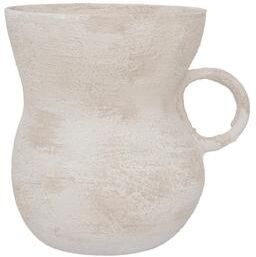
Urban Nature Culture Vase RelaxedQuiet elegancy comes to life in Urban Nature Culture's vase Relaxed. Handmade in Portugal, this ceramic vase has a shape beyond anything you've seen - it's organic, it flows and steals your heart with its playful ear.123,40 $*Shipping: 0,00 $Secure redirect to the provider
-
Which culture is the best culture in the world?
It is not appropriate to label any one culture as the "best" in the world as every culture has its own unique strengths and values. Each culture contributes to the diversity and richness of the world, and it is important to respect and appreciate the differences among them. Instead of comparing cultures, it is more valuable to learn from and celebrate the diversity of cultures around the world. **
-
Why is Turkish culture often confused with Arab culture?
Turkish culture is often confused with Arab culture due to several factors. Firstly, both cultures are located in the Middle East and share some similarities in language, religion, and traditional customs. Additionally, there is a historical connection between the two regions through the Ottoman Empire, which had a significant influence on Arab countries. Furthermore, the media and popular culture often portray a homogenized view of the Middle East, leading to misconceptions and generalizations about the diverse cultures within the region. However, it is important to recognize and appreciate the distinct differences and unique aspects of Turkish and Arab cultures. **
-
Is culture important?
Yes, culture is important because it shapes our identity, beliefs, values, and behaviors. It provides a sense of belonging and connection to others within a community. Culture also influences how we communicate, express ourselves, and understand the world around us. Embracing and respecting different cultures can lead to greater understanding, empathy, and cooperation among diverse groups of people. **
-
What is the difference between historical culture and memory culture?
Historical culture refers to the collective understanding and interpretation of historical events, traditions, and customs within a society. It encompasses the tangible and intangible aspects of a society's past, including artifacts, monuments, and rituals. Memory culture, on the other hand, focuses on the ways in which a society actively engages with and remembers its history. It involves the processes of commemoration, memorialization, and the transmission of historical knowledge through storytelling, education, and public discourse. While historical culture is the broader framework of a society's historical identity, memory culture is the active, dynamic practice of remembering and interpreting that history. **
* All prices are inclusive of VAT and, if applicable, plus shipping costs. The offer information is based on the details provided by the respective shop and is updated through automated processes. Real-time updates do not occur, so deviations can occur in individual cases. ** Note: Parts of this content were created by AI.